Travelplan Ski
1300 SKI SKI
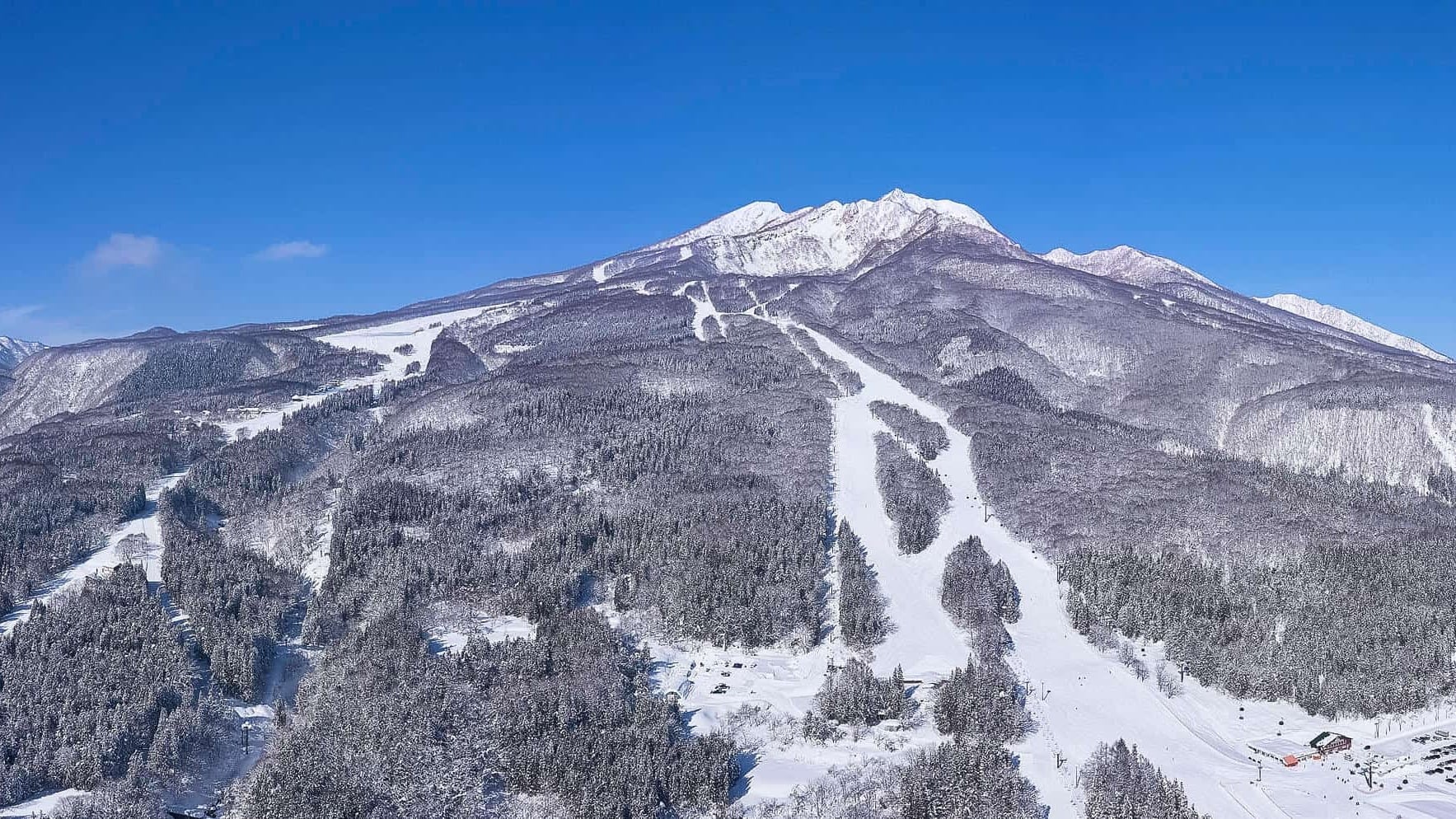
Myoko Kogen ski resort panoramic view with snow-covered mountains

Welcome to Myoko!

Product Guide & Travel Information 2026–27

Everything you need to know before you go — brought to you by Travelplan Ski

THE RESORT

Introduction

Myoko is a destination for snow lovers who want deep powder, natural hot springs, and an authentic Japanese mountain experience.
Introduction

Myoko is a destination for snow lovers who want deep powder, natural hot springs, and an authentic Japanese mountain experience.

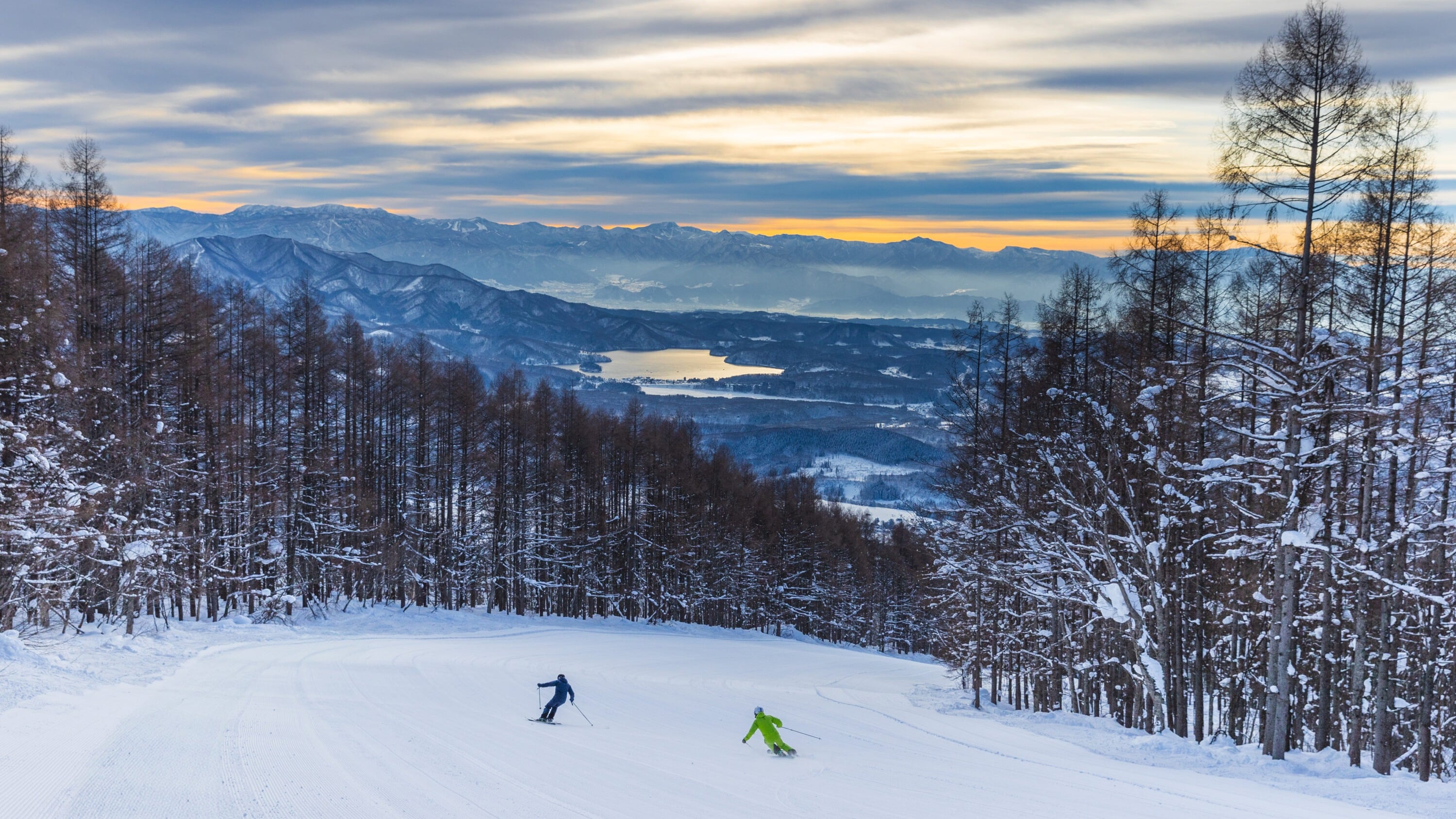
Nestled in the mountains of Niigata Prefecture, the Myoko Kogen area is one of Japan's snowiest and most rewarding ski destinations — receiving an extraordinary average of over 12 metres of snowfall each season. This remote-feeling corner of the Japanese Alps is blessed with consistently deep, light powder snow that rivals Hokkaido's finest. Unlike the more heavily touristed resorts of Hakuba or Niseko, Myoko rewards those who seek it out with shorter lift queues, genuinely uncrowded slopes, and a rich culture of onsen (hot spring) bathing that makes every afternoon magical. The Myoko area comprises seven interconnected and neighbouring ski areas — Akakura Onsen, Akakura Kanko, Ikenotaira Onsen, Myoko Suginohara, Seki Onsen, Tangram Ski Circus, and Lotte Arai Resort — offering terrain for every ability from gentle groomers to serious backcountry.

SKI AREAS

7 interconnected areas

HIGHEST POINT

1,855 metres (Suginohara)

BASE ELEVATION

~750 metres

VERTICAL DROP

Up to 1,124 metres (Lotte Arai)

TOTAL RUNS

~100+ across all areas

LONGEST RUN

~8.5 kilometres (Suginohara)

ANNUAL SNOWFALL

12+ metres average

LIFTS

~50 across all areas

TERRAIN

30% Beginner | 40% Intermediate | 30% Advanced

SEASON

December to April

OPERATING HOURS

8:30 AM – 5:00 PM (varies)

NIGHT SKIING

Available at Akakura Onsen & Ikenotaira

THE EXPERIENCE

Why Myoko?

Deep powder. Authentic Japan. Natural hot springs. And snow like you have never seen.
Why Myoko?

Deep powder. Authentic Japan. Natural hot springs. And snow like you have never seen.

Japan's Snow Capital

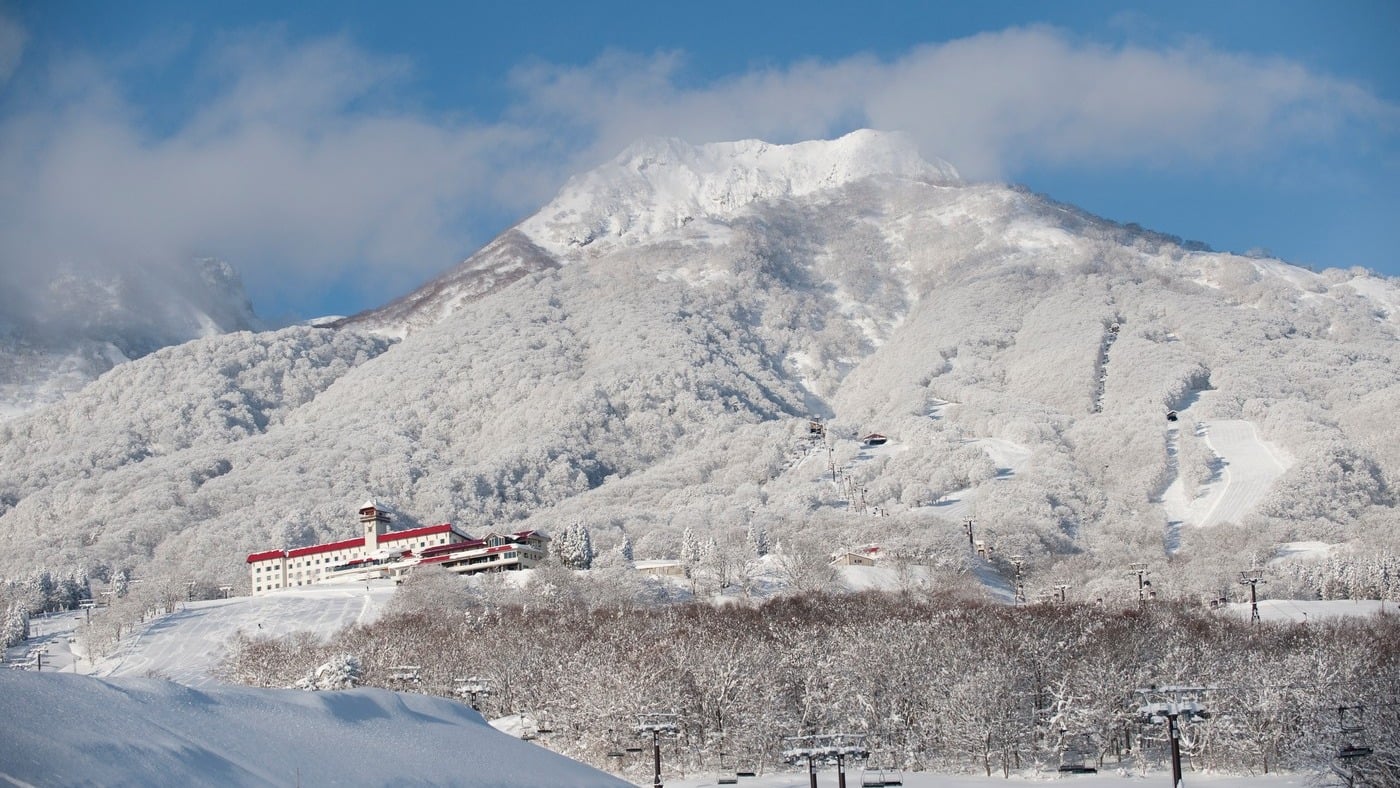
Myoko is statistically one of the snowiest places on earth to ski. Receiving over 12 metres of snowfall annually from moisture-laden winds off the Sea of Japan, the area delivers consistently deep, dry powder from mid-December through to early April. Snow quality here is exceptional — light, cold, and plentiful.

Seven Resorts, One Area

The Myoko area offers remarkable variety. Suginohara delivers the longest single run in the area at approximately 8.5 kilometres. Akakura Onsen and Akakura Kanko share a mountain face with superb tree skiing. Seki Onsen is Japan's only resort where off-piste skiing is actively encouraged. And Lotte Arai, reopened as a luxury resort, offers heli-skiing access and world-class facilities.

Onsen Culture

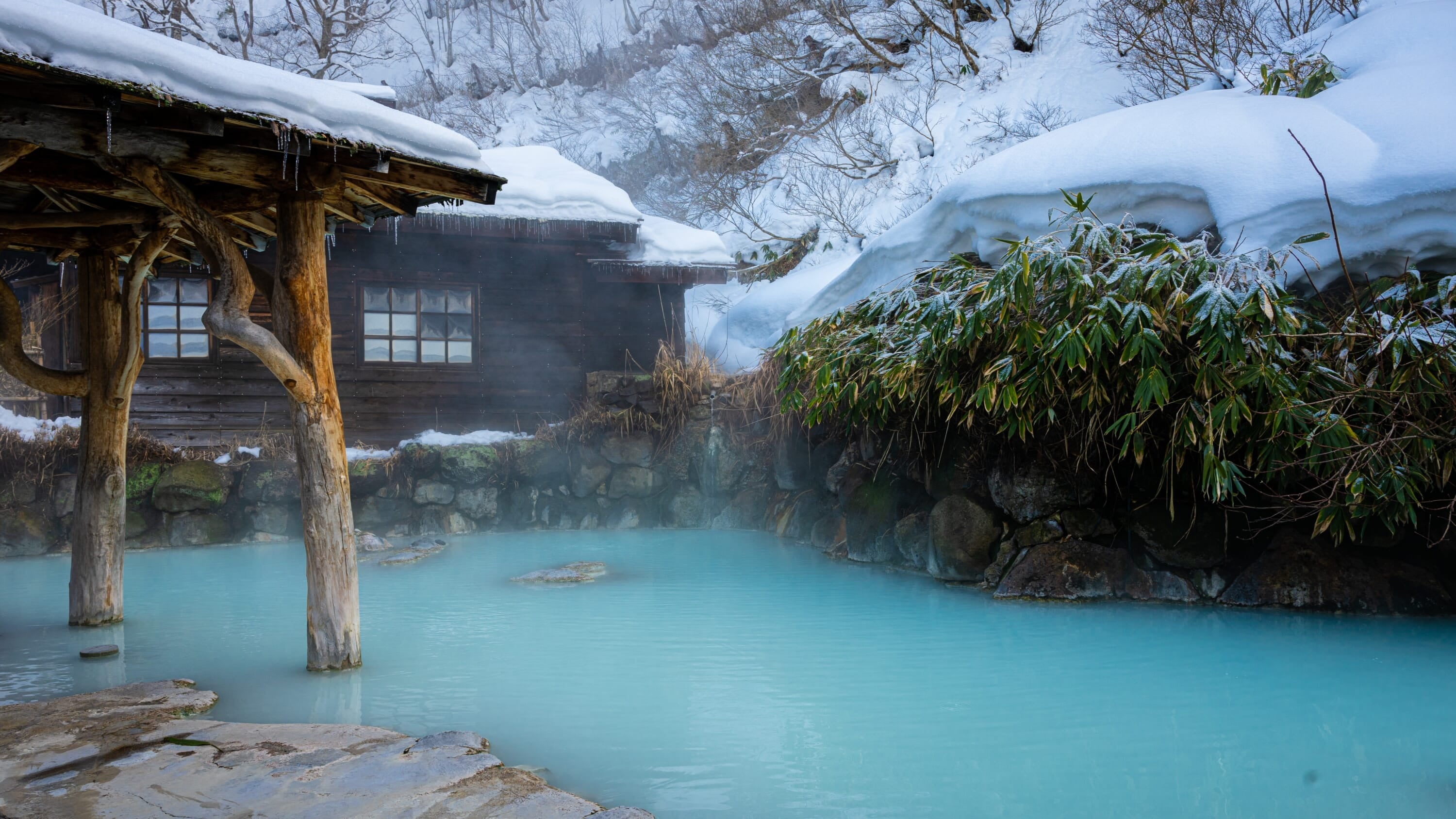
Traditional Japanese onsen hot spring bath in winter snow setting
What truly sets Myoko apart is the onsen culture woven into daily life. After a day on the slopes, there is nothing more restorative than soaking in a natural volcanic hot spring. Most accommodation in Myoko offers private or shared onsen baths, and several public bathhouses (soto-yu) dot the village streets. The mineral-rich waters are said to have healing properties.

Authentic Japan Without the Crowds

Myoko remains refreshingly uncrowded compared to Niseko or Hakuba. English signage is growing but this is still an authentically Japanese destination where you will find real ramen shops, family-run izakayas, and locals who are genuinely delighted to welcome international visitors.

TRAVEL

Getting There

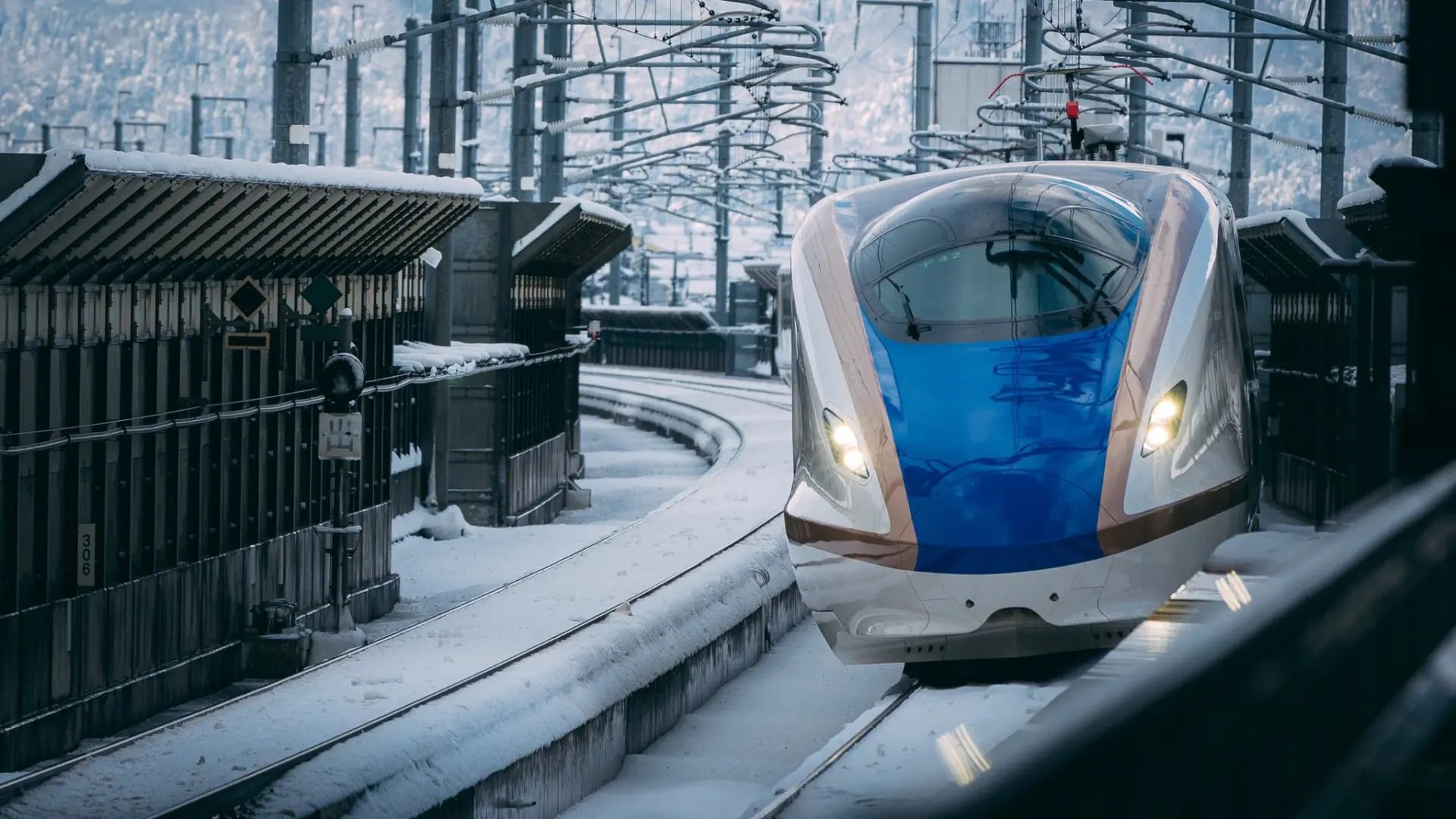
The journey to Myoko is surprisingly straightforward — high-speed rail from Tokyo puts you on the slopes in under three hours.
Getting There

The journey to Myoko is surprisingly straightforward — high-speed rail from Tokyo puts you on the slopes in under three hours.

From Australia

Several airlines operate direct and one-stop flights from major Australian cities to Tokyo (Narita or Haneda). Direct flight time is approximately 9–10 hours from Sydney. Key carriers include Qantas, Japan Airlines (JAL), All Nippon Airways (ANA), and Jetstar. From Tokyo, you will travel to Myoko Kogen by Shinkansen (bullet train). The Hokuriku Shinkansen runs from Tokyo Station to Joetsu-Myoko Station in approximately 2 hours. From Joetsu-Myoko Station, local buses or shuttle transfers take approximately 30–40 minutes to reach the resort village.

By Train

The Hokuriku Shinkansen is the fastest and most convenient option. Purchase a Japan Rail Pass (7, 14, or 21 day) before departure from Australia for excellent value if you plan to travel beyond Myoko. Tokyo Station → Joetsu-Myoko Station: ~2 hours (Hokuriku Shinkansen) Joetsu-Myoko Station → Myoko Kogen: ~30–40 minutes (local bus or shuttle) Alternatively, from Nagano Station (if combining with a visit to Nozawa Onsen or Hakuba): Nagano Station → Joetsu-Myoko Station: ~25 minutes (Hokuriku Shinkansen)

Transfers & Shuttle Services

Several shuttle services operate between Joetsu-Myoko Station and the various resort areas. Many hotels arrange complimentary pickup from the station — confirm with your accommodation at the time of booking. Rental cars are also available at Joetsu-Myoko Station for those who prefer to drive. Roads are well-maintained but winter tyres or chains are mandatory December through March.

At the Resort

The Myoko resort villages are compact and walkable. Free shuttle buses connect the main ski areas during the season. Most accommodation is within walking distance of a ski lift. Taxis are available but should be booked in advance during peak periods.

ON THE MOUNTAIN

Mountain & Terrain

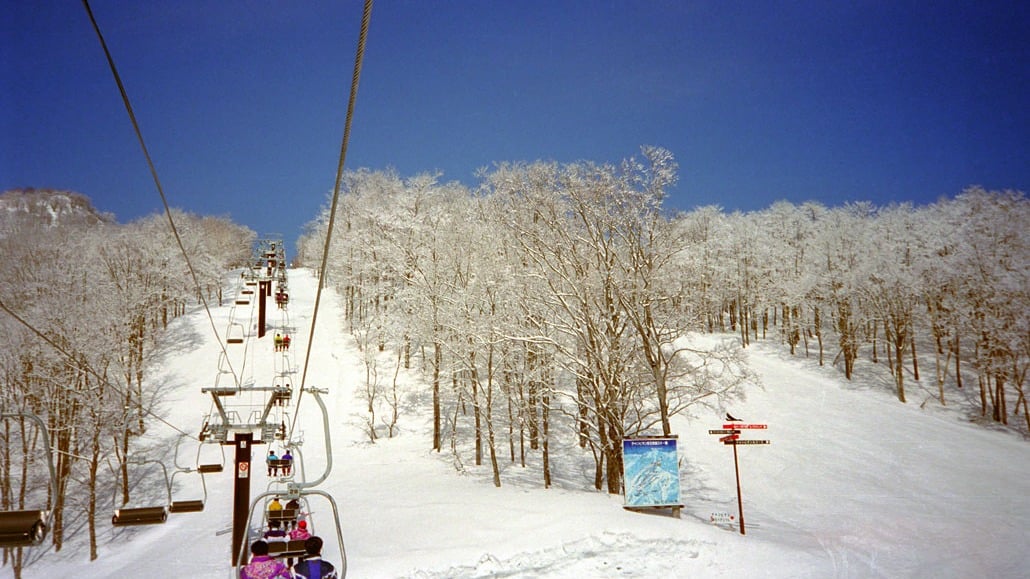
Seven ski areas offering everything from gentle beginner slopes to some of Japan's most challenging off-piste terrain.
Mountain & Terrain

Seven ski areas offering everything from gentle beginner slopes to some of Japan's most challenging off-piste terrain.

Akakura Onsen Ski Area

The largest and most popular area in Myoko. Akakura Onsen offers wide, well-groomed intermediate runs alongside excellent tree skiing in the surrounding forests. Night skiing is available here. The base village is the social hub of Myoko with the greatest concentration of restaurants, bars and accommodation. Vertical: ~700 metres | Runs: 17 | Lifts: 14

Akakura Kanko Resort

Sharing the same mountain face as Akakura Onsen but accessed from a different base, Akakura Kanko (also known as Akakan) offers some of the best lift-accessed tree skiing in Myoko. The terrain is slightly steeper and more advanced than its neighbour. Vertical: ~740 metres | Runs: 10 | Lifts: 6

Myoko Suginohara

Home to the longest run in the Myoko area at approximately 8.5 kilometres, Suginohara is a favourite for intermediates who love long, sustained cruising runs. The resort reaches the highest elevation in the area at 1,855 metres. Vertical: ~1,124 metres | Runs: 16 | Lifts: 5

Ikenotaira Onsen

A gentle, family-friendly area ideal for beginners and lower intermediates. Wide, mellow slopes and excellent snow school facilities make this the best choice for first-timers. Night skiing available. Vertical: ~630 metres | Runs: 11 | Lifts: 7

Seki Onsen

Japan's only ski resort where off-piste skiing is officially permitted and encouraged. A small, steep, no-frills area beloved by powder hounds. Only two lifts, but when it dumps here, this is where you want to be. Vertical: ~340 metres | Runs: 3 | Lifts: 2

Tangram Ski Circus

A smaller resort on the northern side of Myoko, popular with families. Gentle slopes, a friendly atmosphere, and the Tangram Madarao connection provides access to a broader ski area. Vertical: ~470 metres | Runs: 19 | Lifts: 6

Lotte Arai Resort

Reopened in 2017 as a luxury resort operated by Lotte Hotels, Arai offers the biggest vertical drop in the area (1,124 metres), superb off-piste access, and heli-skiing packages. Facilities are modern and upscale. This is Myoko's premium option. Vertical: ~1,124 metres | Runs: 15 | Lifts: 6 (including gondola)

Lift Pass Options

Several lift pass options are available: • Single-area day passes (typically ¥4,000–¥6,500 per adult) • Multi-area passes covering all Myoko resorts • Myoko Common Ticket (covers Akakura Onsen, Akakura Kanko, Ikenotaira Onsen, and Suginohara) • Season passes for frequent visitors Lotte Arai operates its own pass system and is generally not included in the common area tickets. Passes can be purchased at lift ticket windows. Some passes are available for pre-purchase online.

STAY

Accommodation

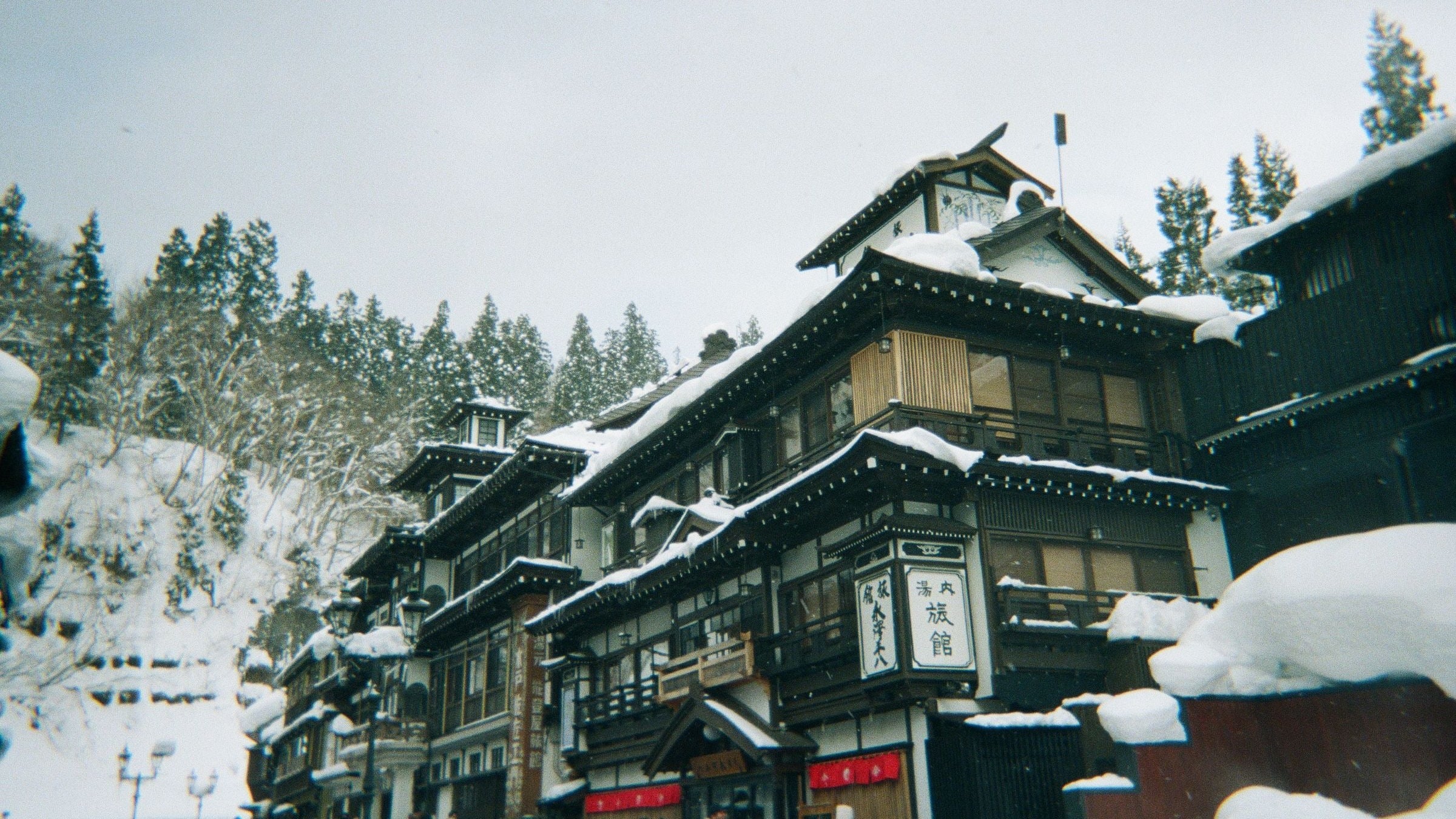
From traditional ryokan with private onsen to modern ski lodges, Myoko offers accommodation to suit every style and budget.
Accommodation

From traditional ryokan with private onsen to modern ski lodges, Myoko offers accommodation to suit every style and budget.

Traditional Ryokan

For an authentic Japanese experience, stay in a traditional ryokan (inn). These offer tatami-mat rooms, futon bedding, communal or private onsen baths, and often include dinner and breakfast featuring local seasonal cuisine (kaiseki). Many ryokan in Akakura Onsen village have been operated by the same families for generations.

Western-Style Hotels

Several hotels offer Western-style rooms with beds, en-suite bathrooms, and modern amenities. Lotte Arai Resort is the most upscale option, featuring a full-service hotel with spa, multiple restaurants, and direct slope access. APA Hotel Myoko and Akakura Kanko Hotel also offer comfortable Western-style accommodation.

Pensions & Lodges

Budget-friendly pensions and ski lodges are plentiful throughout the Myoko area. Many are family-run, offering a warm, communal atmosphere with shared facilities. These are excellent for groups and solo travellers looking for a social experience.

Self-Catered Apartments

A growing number of self-catered apartments and chalets are available, particularly around Akakura Onsen and Ikenotaira. These offer more space and independence for families or groups travelling together.

Booking Tips

• Book early for peak periods (late December – mid January, Chinese New Year) • Many traditional ryokan do not appear on international booking platforms — Travelplan can arrange these for you • Half-board (dinner & breakfast included) is common and recommended for ryokan stays • Ask about onsen access when booking — some properties have rooftop or private baths

FOOD & DRINK

Dining

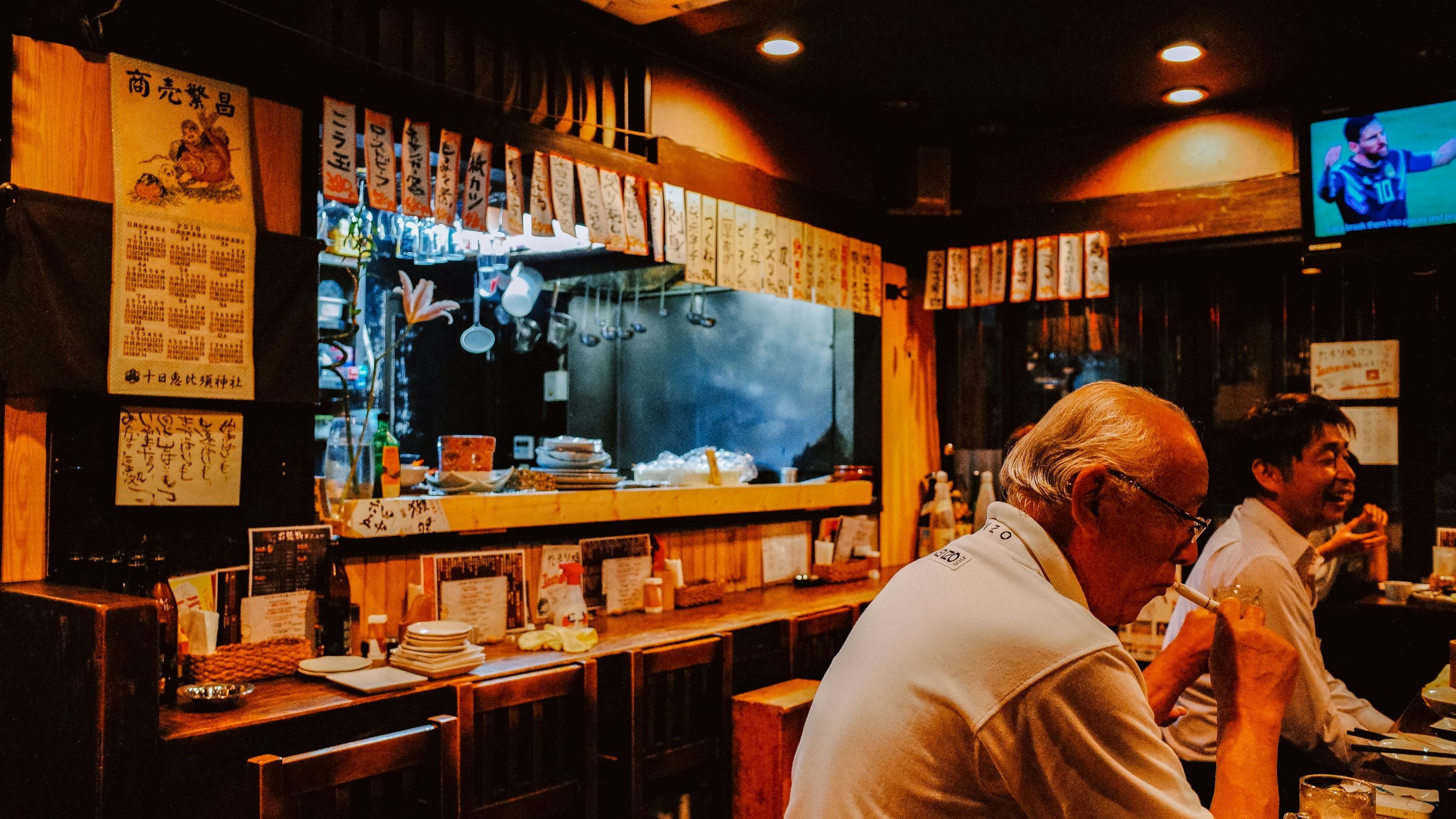
From steaming bowls of ramen to delicate sushi and local Niigata sake, Myoko is a food lover's destination.
Dining

From steaming bowls of ramen to delicate sushi and local Niigata sake, Myoko is a food lover's destination.

On-Mountain Dining

Each ski area has at least one mountain restaurant or cafeteria. Expect hearty Japanese fare: katsu curry, ramen, udon noodles, rice bowls (donburi), and warming miso soup. Prices are reasonable compared to Western ski resorts. Lotte Arai has the most upscale mountain dining options.

In the Village

Akakura Onsen village has the widest choice of restaurants and izakayas (informal Japanese pubs). Look for: • Ramen shops — rich, warming bowls of local-style ramen • Izakayas — casual dining with small shared plates, grilled meats, and local beer • Sushi & sashimi — Niigata Prefecture is renowned for its seafood and rice • Yakiniku — Japanese BBQ, cook your own selection at the table • Nabe (hot pot) — perfect for sharing after a cold day on the mountain Niigata is also one of Japan's most celebrated sake-producing regions. Ask your server for a local recommendation.

Restaurant Portals

Tabelog

Japan's most popular restaurant review and booking site (Japanese interface, Google Translate recommended)

Gurunavi

Restaurant search with English-language support for many listings

HotPepper Gourmet

Dining reservations and coupons across Japan

Dietary Notes

Vegetarian and vegan options are limited but growing. Many dishes contain dashi (fish stock) even when they appear vegetarian. If you have dietary requirements, consider learning a few key Japanese phrases or carrying a dietary card (available free online) that explains your needs in Japanese. Lotte Arai and larger hotels are generally the most accommodating for special diets.

ON & OFF THE MOUNTAIN

Activities

From heliskiing above the clouds to soaking in volcanic hot springs under falling snow — Myoko offers unforgettable experiences beyond the groomed runs.
Activities

From heliskiing above the clouds to soaking in volcanic hot springs under falling snow — Myoko offers unforgettable experiences beyond the groomed runs.

Heli-Skiing at Lotte Arai

Lotte Arai Resort offers heli-skiing packages providing access to pristine, untracked terrain high above the resort. Guided groups are taken to remote powder bowls with experienced guides. This is a premium experience and should be booked well in advance.

Snowshoeing

Guided snowshoe tours take you through the forests and along frozen streams around Myoko. A wonderful way to experience the silence and beauty of the Japanese mountains at a slower pace. Several operators offer half-day and full-day tours.

Onsen (Hot Springs)

Myoko's onsen culture is central to the experience. Options include: • Ryokan private baths — many accommodations have rotemburo (outdoor baths) • Public bathhouses (soto-yu) — affordable communal baths in the village • Foot baths (ashi-yu) — free foot baths scattered around the village streets Bathing etiquette: wash thoroughly before entering the bath. Tattoos may restrict access at some traditional bathhouses, though attitudes are relaxing.

Ice Fishing

In the colder months, ice fishing is available on nearby lakes. A unique and quintessentially Japanese winter experience — sit in a heated tent on the frozen lake and try your hand at catching wakasagi (pond smelt), which are deep-fried and eaten whole.

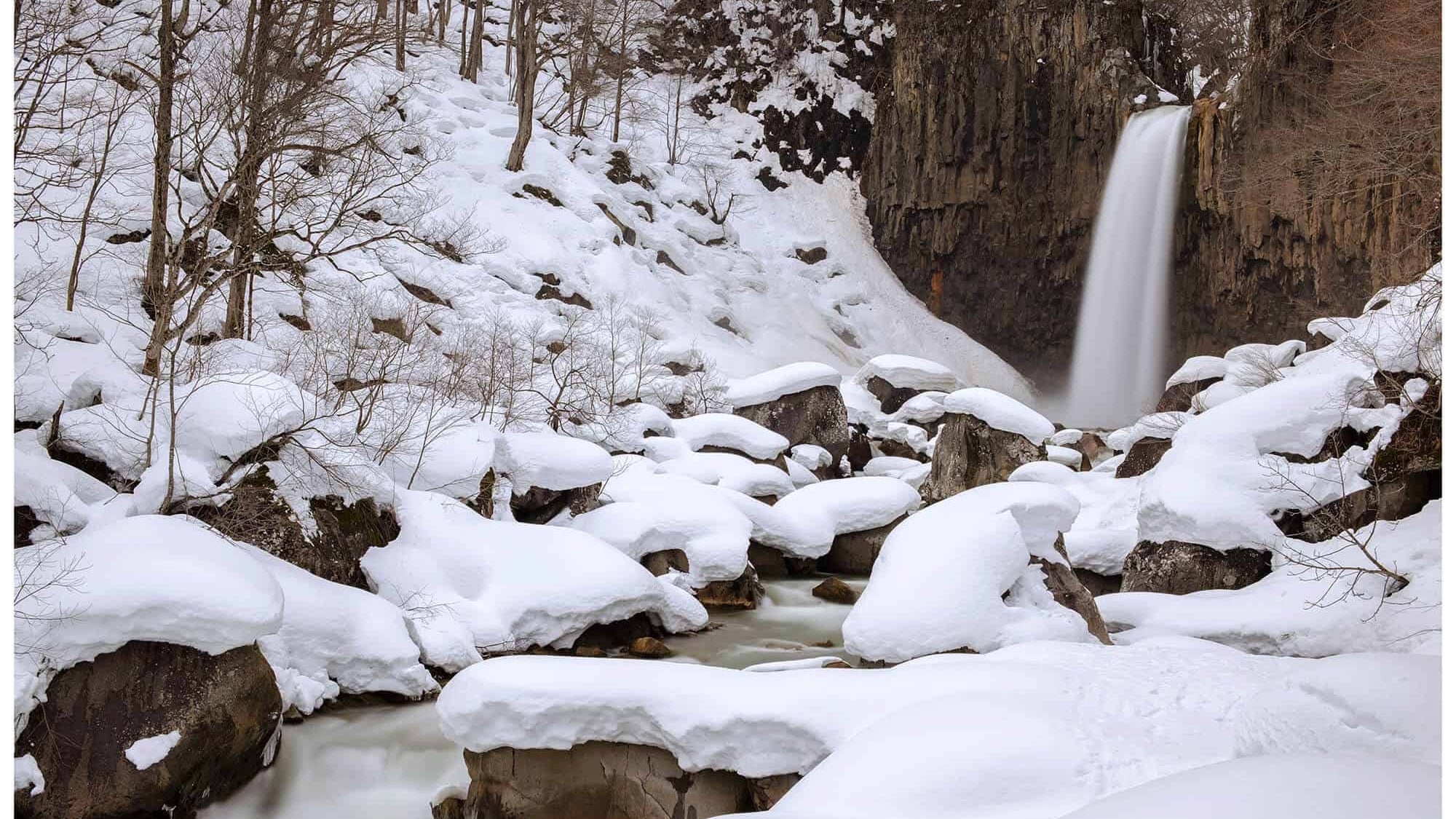
Naena Waterfall

Naena Falls (苗名滝) is one of Japan's 100 Famous Waterfalls, located within walking distance of the resort area. In winter, the waterfall and surrounding forest are transformed into an ice-sculpture wonderland. A short hiking trail leads to the viewing platform.

Local Sake Brewery Visits

Niigata Prefecture is Japan's most prolific sake-producing region, and the Myoko area is home to several small breweries. Some offer tours and tastings during the ski season. The local rice and ultra-clean mountain water produce a characteristically clean, crisp sake style.

Cultural Experiences

The nearby cities of Joetsu and Nagano offer rich cultural experiences: • Takada Castle — one of Japan's finest castle sites, spectacular during cherry blossom season • Zenkoji Temple (Nagano) — one of Japan's most important Buddhist temples, approximately 1 hour away • Local craft workshops — try your hand at traditional Japanese crafts • Nagano City — host of the 1998 Winter Olympics, with museums and excellent dining

Yoga & Wellness

Several accommodation providers in Myoko offer yoga sessions and wellness programmes during the ski season. The combination of mountain air, onsen bathing, and mindful movement makes Myoko an excellent choice for those seeking a balanced winter holiday.

NEED TO KNOW

Other Information

Altitude

The Myoko resort villages sit at approximately 750 metres above sea level. The highest ski point (Suginohara) reaches 1,855 metres. Altitude sickness is not a concern at Myoko.

Currency

Japanese Yen (¥ / JPY). While credit cards are increasingly accepted at larger hotels and resorts, many smaller restaurants, ryokan, and shops remain cash-only. Withdraw yen from ATMs at 7-Eleven convenience stores or Japan Post offices, which reliably accept international cards.

Payment

IC cards (Suica/Pasmo) are widely used for trains and convenience stores. Many restaurants in the village are cash-only. Bring a reasonable amount of cash for dining and smaller purchases. Lotte Arai and larger hotels accept all major credit cards.

Weather & Clothing

Myoko is cold and snowy from December through March. Expect temperatures ranging from −8°C to 3°C in mid-winter. Heavy snowfall is frequent — prepare for low visibility days. Pack warm, waterproof ski gear, good gloves, and face protection for windy days. Layers are essential.

Language

Japanese is the primary language. English signage is available at major ski areas (especially Lotte Arai) but limited in the village. Learning a few basic Japanese phrases is appreciated and helpful. A translation app on your phone is highly recommended.

Power

Japan uses Type A plugs (two flat pins) at 100V/50–60Hz. Australian travellers will need a plug adapter. Most modern devices (phone chargers, laptops) handle the voltage difference automatically.

Visa

Australian passport holders receive visa-free entry to Japan for stays up to 90 days. You must complete a Visit Japan Web registration before arrival. Ensure your passport is valid for the duration of your stay.

Medical

The nearest hospital is Myoko General Hospital in the town area. Travel insurance with ski coverage is essential. Japan's medical system is excellent but English-speaking doctors may not always be available outside major cities. Carry your travel insurance details and emergency contact numbers at all times.

Helmet Policy

Helmets are not mandatory at Japanese ski resorts but are strongly recommended, particularly for children and when skiing off-piste. Helmets can be rented at most ski rental shops.

Tipping

Tipping is not customary in Japan and can cause confusion. Do not tip at restaurants, hotels, or taxis. Exceptional service is simply the standard.

Connectivity

Rent a pocket Wi-Fi device or purchase a Japanese SIM card at the airport on arrival. Coverage in the Myoko area is generally good. Many hotels and cafes offer free Wi-Fi.

RESOURCES

Best Websites

Useful online resources for planning your Myoko trip.

Myoko & Japan Travel Resources

Myoko Tourism

Official Myoko tourism information and webcams

Snow-Forecast Myoko

Live snow reports and weather forecasts for Myoko Kogen

Japan Guide

Comprehensive English-language guide to travelling in Japan

Joetsu Kanko

Local tourism information for the Joetsu region

Ski Japan

Japan ski holiday specialist with Myoko packages

Hyperdia

Japanese train timetable and route planner (essential for Shinkansen planning)

Japan Rail Pass

Purchase Japan Rail Passes before your trip for unlimited Shinkansen travel

Visit Japan Web

Official Japanese government entry registration portal (mandatory before arrival)